
Invasive Species Alert!
Have you seen Cabomba/Fanwort?
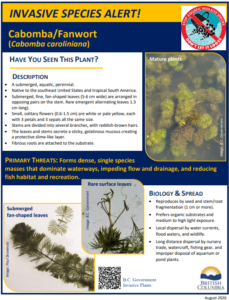 Aye, camomba! Last month, cabomba was confirmed in a private waterway in southeast B.C. This is the first confirmed sighting in an open waterway in Western Canada. Why are we worried? Cabomba is a submerged, aquatic, perennial that forms dense masses that dominate waterways, impede flow and drainage, and reduce recreation and fish habitat.
What can you do?
Report any sightings! on the Report Invasives BC app.
Don’t Let it Loose: dispose of aquarium, pond and water garden plant waste in a dryland compost or landfill.
Finally, Cabomba can reproduce by stem/root fragments of 1cm or more so be sure to Clean, Drain, Dry all aquatic equipment and gear to stop the spread!
2026 Summer Recap
Terrestrial Highlights
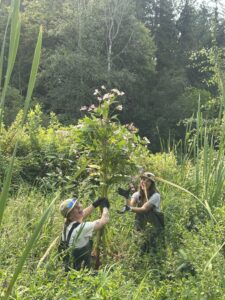 The end of summer is upon us, the whirl wind of a field season has officially come to a close, and CSISS staff finally have time to look back and reflect on what could be the smoothest year yet. We said goodbye to 3 of our summer staff, Madeline Hart, Jessie Booker and Lara Harder. We couldn’t have done this work without them and wish them well on their next endeavors!
Our technicians and assistants completed a total of 1,246 terrestrial plant inventories and 101 aquatic plant inventories across the CSRD in 2026. A combination of community weed pulls and targeted staff efforts were able to remove a whopping 2,371 m2 of priority plants!
 Aquatic Highlights
 Aquatic Highlights
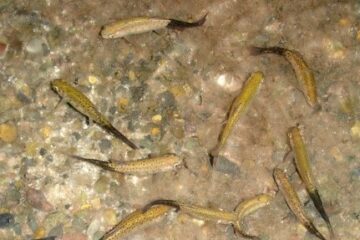
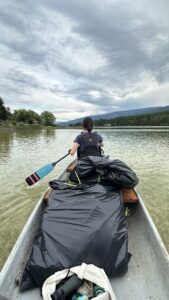
We wrapped up another year of our zebra and quagga mussel sampling in October. We completed a total of 80 samples across 9 lakes in the Columbia region. Here’s to another year of preventing the spread of invasive mussels in B.C.’s waters!
Outreach Highlights
The outreach team had quite the busy summer – between weed pulls, workshops, presentations, and farmers markets, we were out in the community talking to you! CSISS participated in 9 community events, 10 farmers markets, and 15 weed pulls across the Columbia Shuswap! Thank you to everyone who joined us.
Reconcili-Action was a great success!
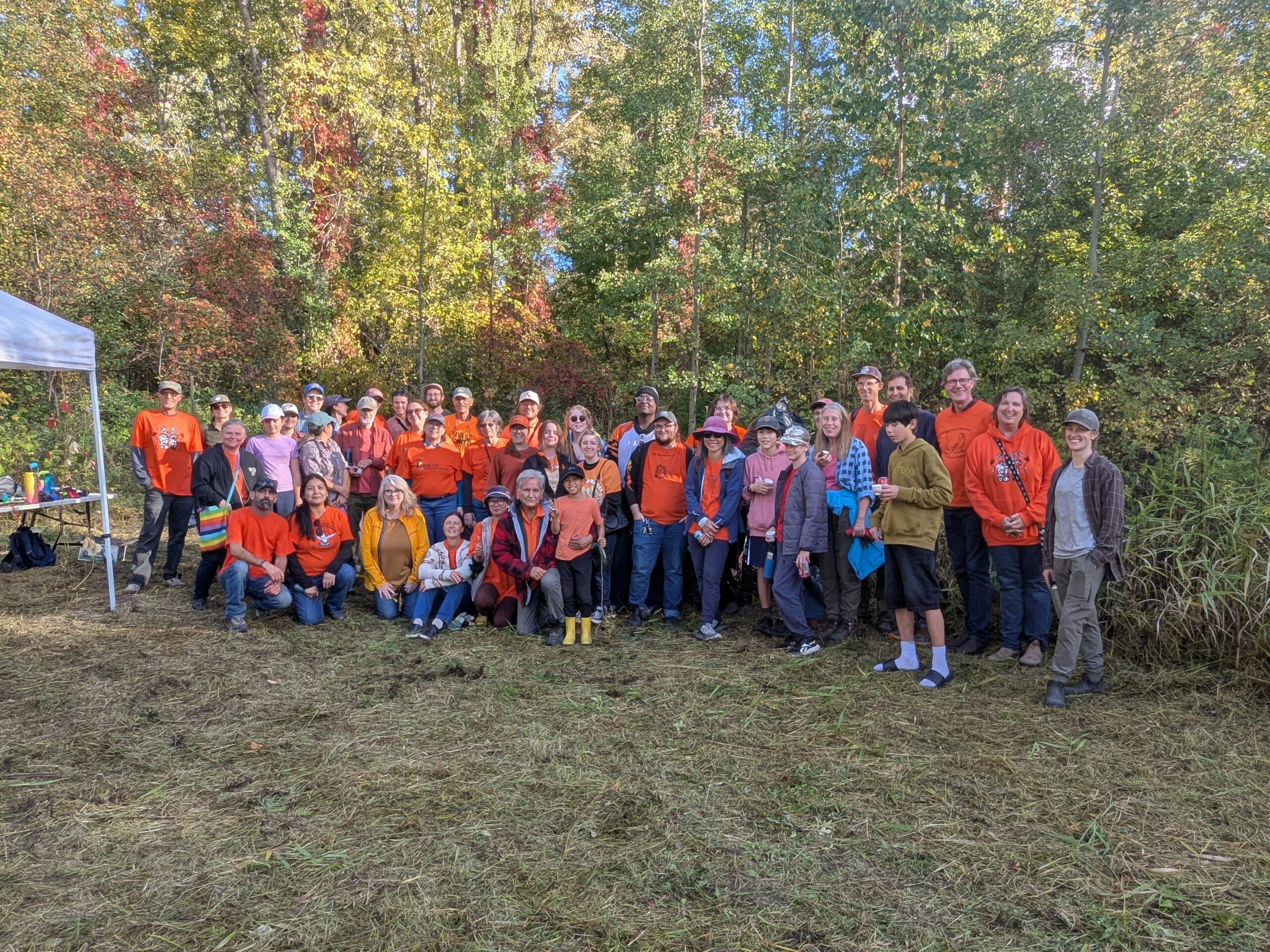
On the National Day for Truth and Reconciliation, CSISS joined Neskonlith Indian Band and Sxwetsméllp Outdoor Learning Foundation for meaningful action. Volunteers came out with their orange shirts and supported land-based learning and stewardship through removal of invasives. A total of 62 bags of virginia creeper and deadly nightshade were removed from the trail. The enthusiasm was spectacular and we thank everyone for their hard work!
A special thank you to the Shuswap Trail Alliance for their help with the clean up 🙂
Buy Local, Burn Local
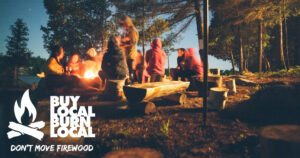
October is all about firewood!
Did you know moving firewood can transport invasive insects to new areas?
Insects often hide in wood to feed, reproduce, and take shelter. When bringing firewood on your next camping trip, you could unknowingly be transporting these insects to new areas. Many of these insects can cause damage to forestry, agricultural, and horticultural industries affecting our timber and fruit production.
Follow the Buy Local, Burn Local best practices to slow the spread!
Best practices:
-
Buy firewood within 80km of where you are burning it
-
Order winter firewood from a local vendor
-
If you accidentally transported firewood, burn it first and completely
-
Leave leftover firewood local for the next visitors
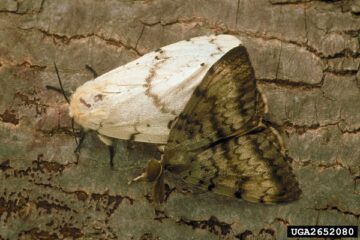
Read our press release on the spongy moth here!
Captivating Content
Invasive species and nature inspired, news, stories, podcasts, and books capturing our attention in our region and beyond.
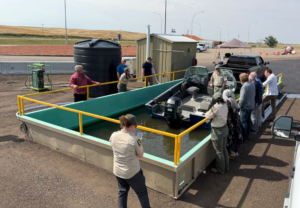
Alberta purchases Canada’s first dip tank to take on the spread of aquatic invasive species
CBC News
The Alberta government has purchased Canada’s first dip tank system to prevent aquatic invasives for getting in their waterways. The system in Dunmore will use hot water injection to kill invasives mussels and larvae both on the hull and inside intake, engine, and ballast tanks within the boat. The prototype is being developed with the Okanagan Basin Water Board based on the original concept from UBC’s School of Engineering. This new technology will save both time and water, so boaters can get on their way. It is expected to be operational by summer 2027 to be dispatched to high priority areas.
Upcoming CSISS Events
Salute to the Sockeye
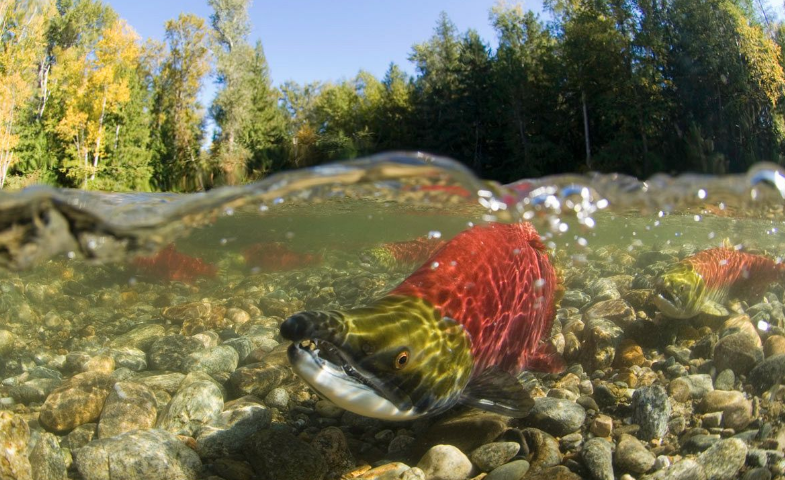
The Indigenous people have been celebrating the return of the sockeye for many years.
You can join us in celebrating the Salute to the Sockeye Festival from October 9th to 25th. The Festival is open daily from 8:30am to 4:30pm at Tsútswecw Provincial Park.
Join Interpretive Guided Tours, Cultural entertainment and education sessions, First Nations ceremonies, and take a hike to watch the sockeye return for their quadrennial spawn!
Updates and Opportunities
Climate change is making it easier for invasive species to succeed
A meta-analysis of 67 studies across 30 marine invasive species found climate change generally increased the abundance or establishment of invasive species. Climate change can enhance the success of invasive species due to traits that allow them to respond positively to environments disturbed from extreme events.

Webinar: Developing a recipe for success: Can public harvest control invasive species?
If used properly, commercial harvest of invasive species can support management goals and increase environmental awareness. If used incorrectly, further spread can occur. Find out all the benefits of invasive species harvesting in this free webinar.
Contact CSISS to book a training presentation for your organization at: info@columbiashuswapinvasives.org

CSISS Recognition of Traditional Land Stewardship
We humbly acknowledge that the region’s residents live, work, and learn on the shared territories of many Indigenous peoples, including the people who call this home, whose ancestors cared for this land with stewardship and protocols of respect – Sinixt, Ktunaxa, Secwépemc and Syilx (Okanagan). With gratitude we reflect on our relationship with the land, conscious of how we live and work. We are all responsible to do better in our relationships and in honoring the land.
Thank You to our Funders in 2025
We acknowledge the financial support of: the Province of British Columbia (through the Ministry of Forests, Ministry of Transportation and Transit, BC Parks, and the Community Gaming Grant); the Columbia Shuswap Regional District; the Columbia Basin Trust, the Habitat Conservation Trust Foundation (Invasive Mussel Lake Monitoring Grant, Action Grant and Community Grant); the Nature Trust of BC; the City of Salmon Arm; Parks Canada; BC Hydro (including Fish and Wildlife Compensation Program and Community Grant); the Shuswap Watershed Council; Canada Water Agency (Eco Action Grant); Employment and Social Development Canada (Canada Summer Jobs); the City of Revelstoke; the Golden District Rod and Gun Club; the Shuswap North Okanagan Rail Trail; and Canadian Parks and Recreation Association (CPRA) Green Jobs Initiative (funded by Government of Canada through Parks Canada, as part of their commitment to the Youth Employment and Skills Strategy program). We acknowledge the in kind support and partnership with several other organizations across the region.