|
||||||||||||||||||||||||||||||||||||||||||||||||||||||||||||||||||||||||||||||||||||||||||||||||||||||||||||||||||||||||||||||||||||||||||||||||||||||||||||||||||||



|
||||||||||||||||||||||||||||||||||||||||||||||||||||||||||||||||||||||||||||||||||||||||||||||||||||||||||||||||||||||||||||||||||||||||||||||||||||||||||||||||||||

Help Protect the Columbia River Watershed from Invasive Mussels! FOR IMMEDIATE RELEASE- November 13, 2026 Photo Caption: Invasive zebra mussels, credit to Dave Britton. The Columbia Shuswap Invasive Species Society (CSISS) Read more

Invasive Species Alert! Have you seen Cabomba/Fanwort? Aye, camomba! Last month, cabomba was confirmed in a private waterway in southeast B.C. This is the first confirmed sighting in an open waterway in Western Canada. Why Read more
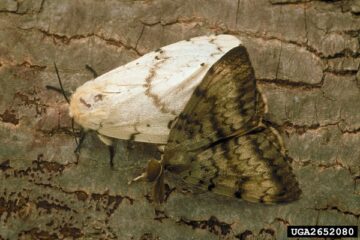
See full press release here: Stop the spread of spongy moth in B.C. Stop the spread of spongy moth in B.C. Spongy moth (Lymantria dispar) is an invasive insect native to Europe, Asia, and North Read more