
2026 CSISS Crew
Our biggest team to date!
At the beginning of June, we welcomed back our fearless leader and long time Executive Director, Robyn Hooper, from her parental leave! She’s here just in time to kick off our largest crew for the busiest field season yet – see some highlights in the following section. Thank you to everyone who shifted roles and positions to ensure smooth operation in the mean time.
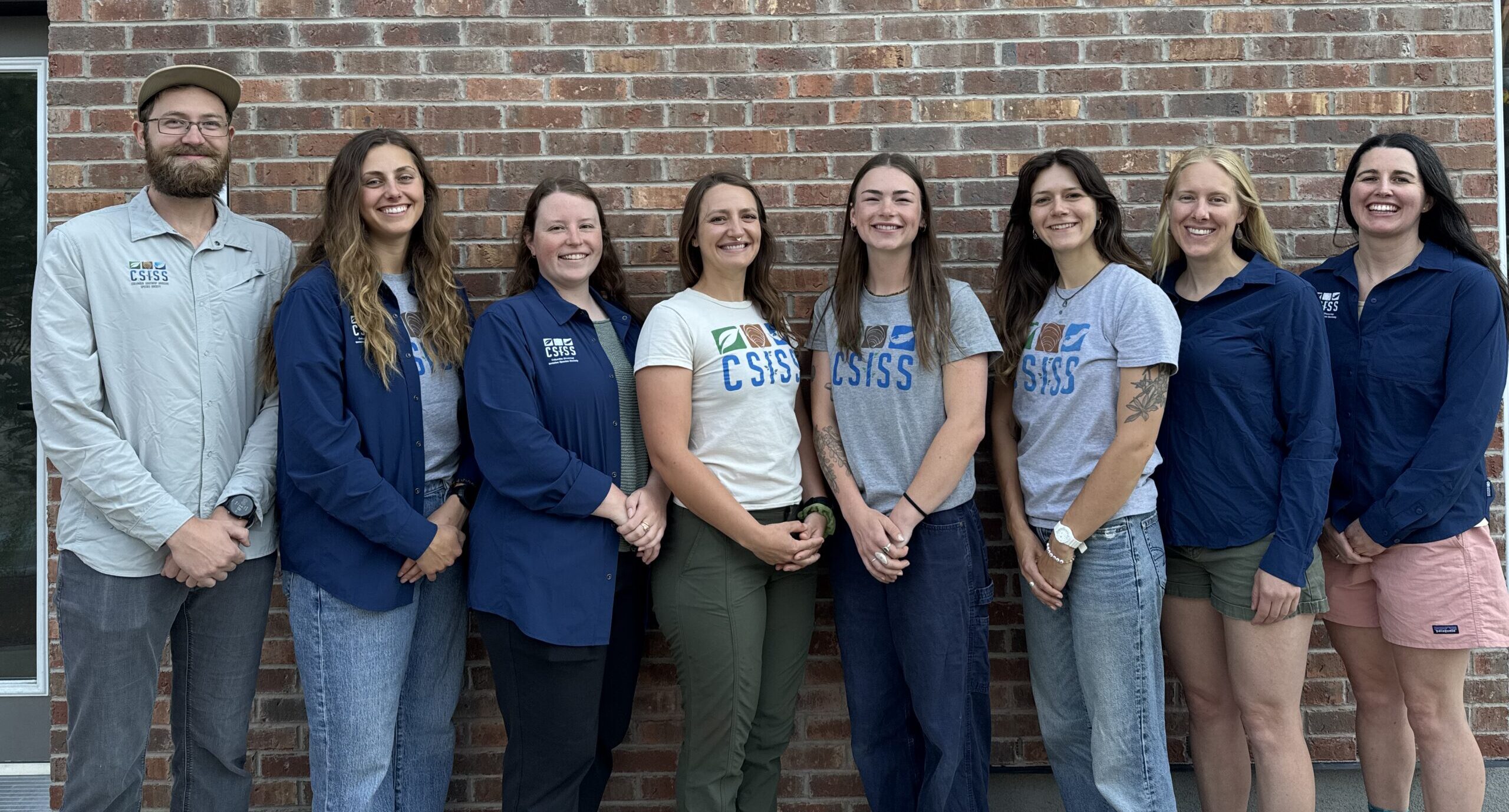
From left to right: Nolan Novotny (Lead Field Tech), Lara Harder (Outreach Program Assistant), Deanna Holt-Schmitt (Communications and Engagement Coordinator), Marlee Verleih (Senior Field Tech), Madeline Hart (Field Technician), Jessie Booker (Field Technician), Laura Gaster (Field Operations Manager), and Robyn Hooper (Executive Director).
For more detailed bio’s and information on individual team members please visit our website.
Aquatic, Terrestrial and Outreach Programs
The CSISS team expanded this summer allowing 3 crews to be on the move simultaneously!
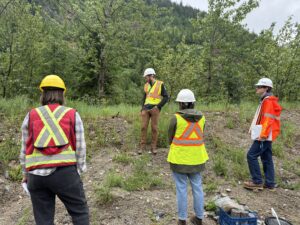
Terrestrial:
Regular scheduled programing for invasive plant management across the CSRD has been in full swing! This includes inventory, treatment and monitoring of many sites across the region for various land managers.
New this year, CSISS has work close to home on the Revelstoke Dam.
In collaboration with BC Hydro, CSISS is supporting invasive plant management as construction progresses on Generating Station Unit 6.
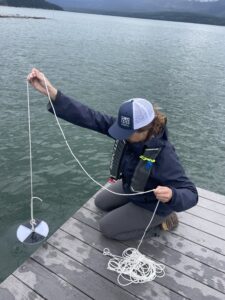
Aquatic:
Water sampling for invasive mussels is well underway! More information on preventing the spread of invasive mussels and other aquatic hitchhikers below.
CSISS is scheduled to collect 81 water samples at 9 waterbodies across the North Columbia region. We are grateful for the continued funding support from the Habitat Conservation Trust Foundation for invasive mussel lake monitoring.
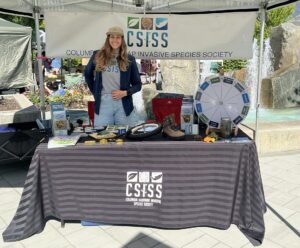
Outreach:
Weed pulls, farmers markets, summer camps, and so many more! The outreach team has been busy spreading the word on invasive species and the simple actions you can take to help prevent their spread. We are so grateful to all the volunteers that have helped us this year. Whether you joined us at a weed pull or submitted a public sighting of an invasive plant, we appreciate your help. Want to join our efforts, but not a local? Read more about Thanksgiving Back below.
Whirling Disease Webinar
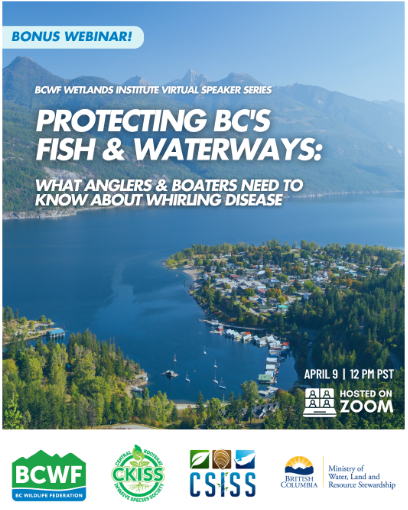
The recording for the recent webinar Protecting BC’s Fish & Waterways: What Anglers & Boaters Need to Know About Whirling Disease is now available.
When working in the Columbia River watershed:
Whirling Disease decontamination is required for government staff and contractors.
It is a condition of all permits involving work in and around water.
See the Provincial Whirling Disease Decontamination Protocol HERE
Thanks for helping protect BC’s fish and waterways!

Clean, Drain, Dry: Help Protect Our Waters from Invasive Mussels
Clean, Drain, Dry is the most effective way you can prevent the spread of whirling disease and the invasion of invasive mussels in B.C. Watch Golden District Rod and Gun club president, Dave Burns, show us how its done!
Clean: Remove all dirt, plant matter, and fish parts from watercraft and equipment
Drain: Pull the plug, its the law. Drain all water from ballasts, bilges, and standing water on land
Dry: Allow your watercraft and equipment to dry for at least 24 hours before launching again
Captivating Content
Invasive species and nature inspired, news, stories, podcasts, and books capturing our attention in our region and beyond.
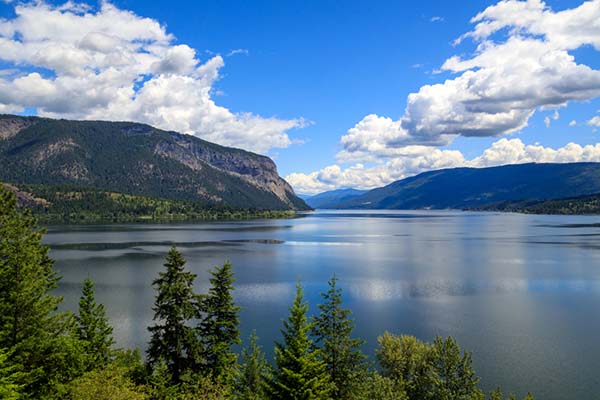
Fraser Basin Council
The newly adopted Strategic Plan for 2026 – 2031 has been approved by the Shuswap Watershed Council (SWC). The plan will guide the organization’s work in protecting and restoring the watershed, supporting monitoring and research, and building stronger partnerships. Members of the SWC will use this plan to set a clear direction and actions when the watershed is under increasing threats from climate change, drought, flooding, wildfires, eutrophication, and increasing demand. The plan has four themes of reconciliation and First Nation partnership, climate resilience, whole watershed approach, and science-based decision making while emphasizing accountability.
Japanese Beetle – City of Kamloops
Photo: Steven Katovich
Japanese beetles were detected in Kamloops in low numbers following a routine inspection in 2024 by the Canadian Food Inspection Agency. They are a federally regulated and quarantined pest under the Plant Protection Act. These pests can cause significant damage to plants, including in our agricultural crops, parks, and local gardens.
You can help slow the spread by minimizing the movement of plants in soil; mulch plant waste in place or compost on site; and clean all soil from boots, clothing, and equipment before moving to another location.
Japanese beetles have not yet established in British Columbia. Please report any sightings to the Canadian Food Inspection Agency to maintain the province’s pest-free status.
Report citing’s of Japanese beetles to the Canadian Food Inspection Agency.
Upcoming CSISS Events
August, September & October
August
Sorrento Farmers’ Market – August 1st
Wildsight Golden Weed Pull – August 6th
Salmon Arm Farmers’ Market – August 8th
Cress Creek Weed Pull with Shuswap Naturalist Club and Shuswap Trail Alliance – August 12th
Aquatic Invasive Species booth at the Salmon Arm Wharf – August 13th
Revy Paddlefest – August 14 – 16th
Revelstoke Farmers’ Market – August 29th
September
Aquatic Invasive Species booth at the Golden Visitors Center – September 4th
Revelstoke Bike Fest – September 14 – 20th
Revelstoke Garlic Festival – September 20th
October
Thanksgiving Back with Wildsight Revelstoke – October 3rd
Salute to the Sockeye – October 9 – 25th
Thanksgiving Back
We are back for another round of regenerative tourism! This year we are partnering with Wildsight Revelstoke to bring you a Riparian Weed + Rainforest Hike. Support riparian habitat restoration on the Greenbelt by pulling invasive species in the morning. In the afternoon, help to conserve and monitor biodiversity with an interpretive rainforest hike and iNaturalist BioBlitz. Bring weather appropriate clothing and a passion for sustainability! Drinks and snacks provided, plus prizes!
Participants in Thanksgiving Back will receive a $400 reimbursement towards their accommodation when booking a two or more night stay. Check out all 15 community projects available!
Partner Updates and Opportunities
Cast, Snap, Report! Join the BC Fish Finders 2026 iNaturalist Project
Calling all anglers! Help to protect waterways in B.C. by taking photos of fish. Submit all observations of your best catch to the BC Fish Finder project on iNaturalist until September 21st. The project will help to map fish diversity, track vulnerable populations, and spot locations of invasive species.
Fire plays a necessary role in many ecosystems in B.C., yet health risks from wildfire smoke can occur even with short-term exposure. Both need effective management to safeguard human health.
Photo: Tiffany Christianson Photography
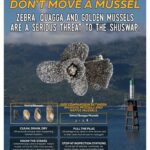
Prevent the Spread of Invasive Mussels | Summer 2026
The District of Sicamous is taking action to prevent spread of invasive mussel into B.C. If introduced, invasive mussel cleaning of aquatic infrastructure is estimated to cost between $64 to $129 million annually. Clean, Drain, Dry is the most effective way you can prevent invasive mussels in the Shuswap!
Contact CSISS to book a training presentation for your organization at: info@columbiashuswapinvasives.org

Thank You to our Funders in 2025
We acknowledge the financial support of: the Province of British Columbia (through the Ministry of Forests, Ministry of Transportation and Transit, BC Parks, and the Community Gaming Grant); the Columbia Shuswap Regional District; the Columbia Basin Trust, the Habitat Conservation Trust Foundation (Invasive Mussel Lake Monitoring Grant, Action Grant and Community Grant); the Nature Trust of BC; the City of Salmon Arm; Parks Canada; BC Hydro (including Fish and Wildlife Compensation Program and Community Grant); the Shuswap Watershed Council; Canada Water Agency (Eco Action Grant); Employment and Social Development Canada (Canada Summer Jobs); the City of Revelstoke; the Golden District Rod and Gun Club; the Shuswap North Okanagan Rail Trail; and Canadian Parks and Recreation Association (CPRA) Green Jobs Initiative (funded by Government of Canada through Parks Canada, as part of their commitment to the Youth Employment and Skills Strategy program). We acknowledge the in kind support and partnership with several other organizations across the region.