
From wilderness areas to local town paths, our trails are an important part of our BC lifestyle. Whether you are an ATV/motorcycle enthusiast, trail runner, mountain biker, equestrian or hiker, keeping trails in good order is in all our best interests. Invasive species can have serious detrimental impacts on enjoyment of trails. They can puncture bike tires, cause severe skin burns, injure horses and cost time and effort in trail maintenance.
Why This Matters
Invasive plants along trails can:
- Displace native vegetation and wildlife habitat
- Reduce biodiversity and pollinator resources
- Increase erosion and maintenance costs
- Spread rapidly into nearby forests, wetlands, and grasslands
Once established, invasive species are difficult and expensive to control. Prevention is the most effective solution.
How Invasive Species Spread on Trails
Invasive plants commonly move via:
- Mud on boots, tires, and hooves
- Seeds caught in clothing, socks, and backpacks
- Plant fragments stuck to bike frames or undercarriages
- Vehicles transporting soil between sites
Even short trips between trail systems can unintentionally move invasive species.
What You Can Do: Play Clean Go
Look for CSISS Play Clean Go signs and brushes at trail heads across the region. Use brushes provided to clean your boots/bikes/gear. Grab your own brush from hardware or equine stores (Buckerfields in Salmon Arm has them for around $3) or contact us directly to receive one for your class or recreation group!
- REMOVE plants, insects and mud from your boots, gear and pets.
- CHECK your tires on bikes and ATVs
- CLEAN your gear before entering and leaving a recreation site
- STAY on designated roads and trails
- LEARN to identify common invasive species and report them
Tips by Activity Type
-

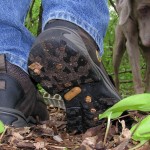
- Hiking and Walking
-
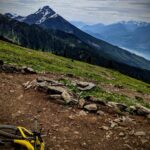
- Biking
-
- Equestrian

-
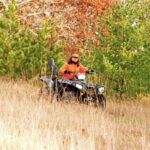
- Motorised
Hikers & Walkers
- Brush boots before and after each hike
- Pay attention to socks, laces, and pant cuffs
- Wash clothing between outings in different areas
Mountain Bikers
- Clean tires, frames, pedals, and drivetrains
- Check hard-to-see areas like suspension pivots and brake mounts
- Avoid riding muddy trails when possible
Equestrian Users
- Remove mud and seeds from hooves, tack, blankets, and trailers
- Feed weed-free hay
- Clean trailers between locations
Motorized Recreation
- Wash vehicles regularly, especially wheel wells and undercarriages
- Remove vegetation from bumpers and skid plates
- Avoid driving through dense vegetation