Real estate professionals, planners and developers play an important role in preventing the spread of invasive species across the Columbia Shuswap region. Invasive plants and other species can negatively affect property values and lead to costly control and remediation efforts if not addressed early.
For Realtors
As a realtor it is important to recognize potentially damaging invasive species and understand the best practices to follow or where to find further information.
- Always inquire about invasive species during property condition reporting
- Disclose known infestations to buyers
- Provide clients with information on management obligations
- A common culprit is Knotweed
For Developers & Planners
- Include invasive species surveys in environmental assessments
- Incorporate invasive species mitigation measures into development plans
- Coordinate with local invasive species organizations for site-specific guidance
The following resources are designed to assist real-estate and land use professionals:
Knotweeds (Japanese, Bohemian, and Giant knotweeds) Impact on Property Values
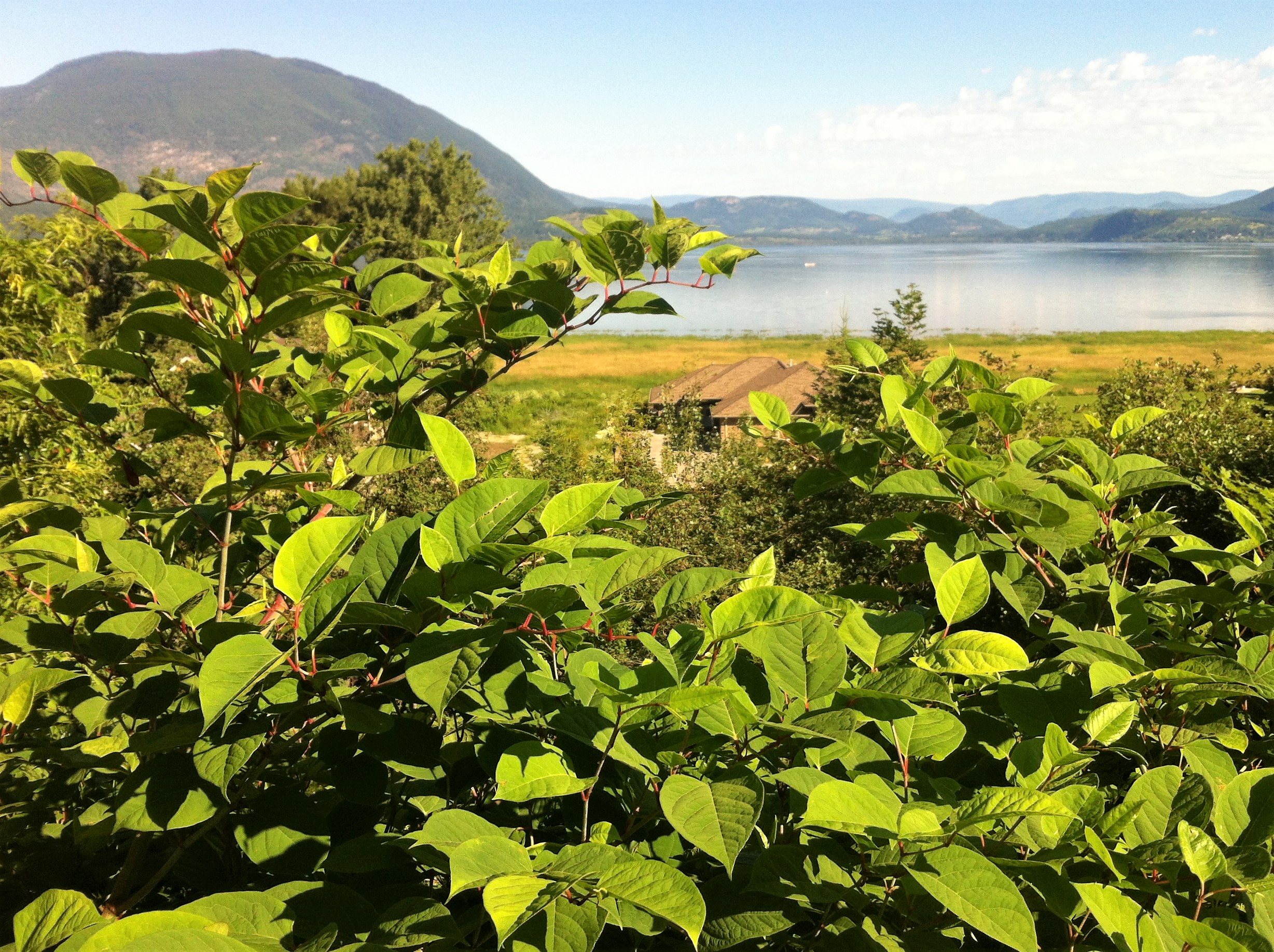 Knotweeds have extremely powerful growth habits; their roots and shoots grow at a rate of around 4cm per day in the spring and are able penetrate concrete, brickwork, and asphalt. Their roots have been known to re-sprout under newly built buildings, working their way up through floor boards and emerging from electrical sockets. Because they are so damaging to structures, knotweeds have been cause for refusal of property insurance in the UK, and have been the cause of law suits between landowners.
It is strongly recommended that knotweeds are treated with systemic herbicides to ensure that the roots are killed. Treating a knotweed infestation can take several years, with treatments in spring and/or fall of each treatment year until the plant no longer sprouts from the roots. To learn more about knotweed treatment and local professional services, please contact us at info@columbiashuswapinvasives.org
Learn about how to identify knotweed, treatment options, and see more about it’s impacts here.
Giant hogweed Impacts to Human Health
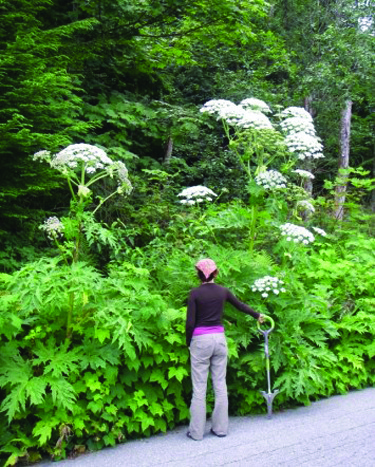 Giant hogweed is an extremely toxic plant with photo-toxic sap that can cause severe burns and blindness. It spreads by prolific seeding and is on the watchlist for the Columbia Shuswap region (limited sites are being treated for eradication in the Shuswap). It is similar to the widespread native species Cow Parsnip, so ensure careful identification using this factsheet. See information about giant hogweed’s impacts, identification and safe removal practices here.
Agricultural Weeds
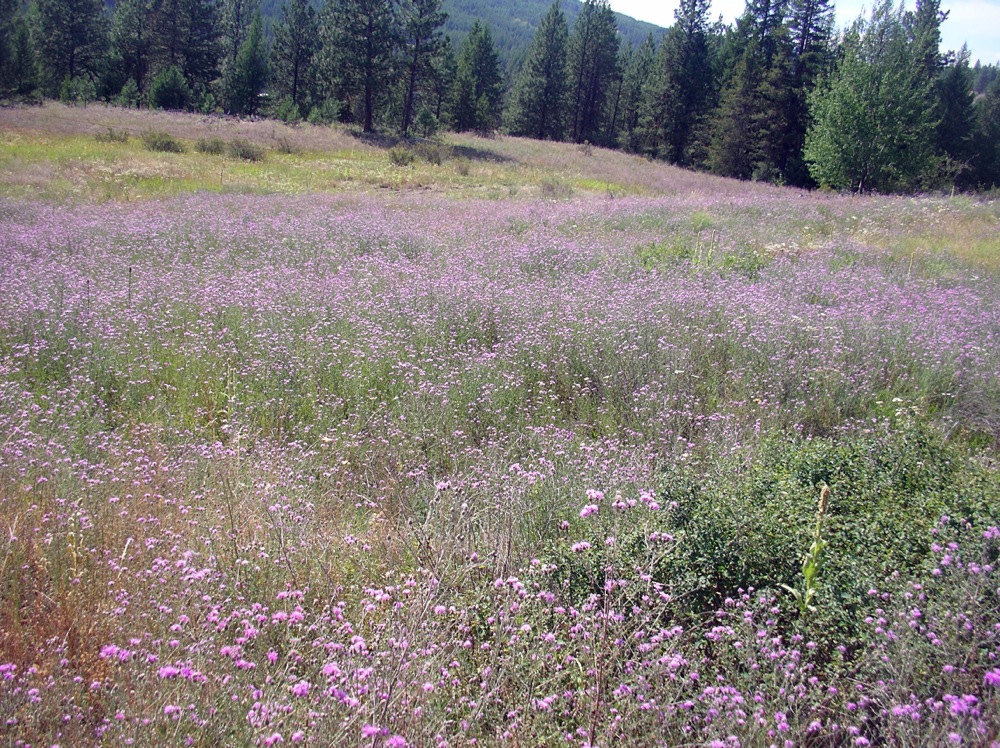 Invasive plants can cause serious reduction in the value achievable from agricultural land. Many invasive plants are toxic, unpalatable to livestock or can out compete crop plants.
In general, if land is crowded with a mono-culture of just one non-native species that seems to be taking over, the species may be invasive.
To identify invasive plants including agricultural weeds, head to our Identification Guides page.
To report invasives, see links in the reporting section below.