Overview
The CSISS Field Programs focus on achieving Strategic Direction 2: Take Action on Invasive Species Regionally by delivering invasive species management programs and responding to invasive species reports throughout the CSRD. CSISS uses a coordinated and collaborative approach to invasive species management in the region, in partnership with many local land managers. This approach includes developing regional priority plant lists and regional non-plant invasive watchlists in collaboration with local land managers and the Province of BC.
-
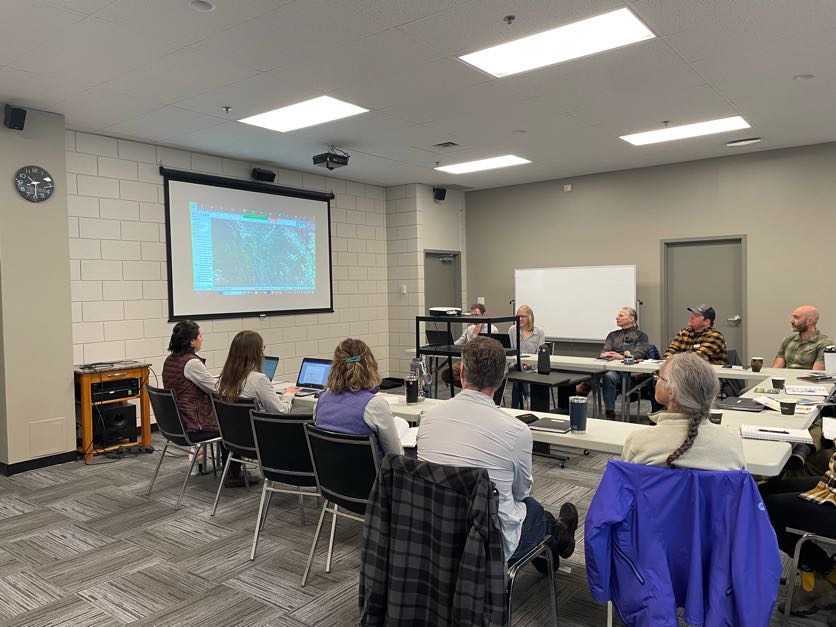
- CSISS staff, local land managers and Provincial staff collaborating to set regional invasive species priority lists
Terrestrial Field Program
The terrestrial field program operates invasive plant management programs using an Integrated Pest Management (IPM) approach that involves invasive plant inventory, treatment, monitoring, do not mow signage, and landowner outreach. CSISS completes invasive plant inventories yearly at sites throughout the CSRD to determine which species are present on the landscape and their density and distribution. Yearly inventories are crucial to track the spread of invasive species throughout time, discover new invaders and inform invasive plant management plans. CSISS staff and contractors also complete mechanical, chemical, cultural and biological invasive plant treatments, where appropriate, and according to site conditions as part of an IPM approach to control established invasive species infestations or eradicate new species occurrences. CSISS conducts monitoring post-treatments to ensure they were completed effectively and in accordance with all relevant regulations, and to inform future management. Do not mow signs are installed along roadways in the Shuswap and Revelstoke region to prevent the spread of knotweed species. Landowner outreach is completed when regional priority species are found on private properties.
CSISS also receives and responds to invasive species reports throughout the CSRD. Depending on the nature and priority of the report, CSISS may confirm the report by a site visit and provide landowner outreach. For regional noxious weed complaints, the CSRD may issue a noxious weed notification letter. For provincial EDRR reports, CSISS will immediately alert the Province of BC. CSISS also responds to reports of non-plant terrestrial invasive species within the CSRD in collaboration with Provincial terrestrial invasive fauna specialists.
-

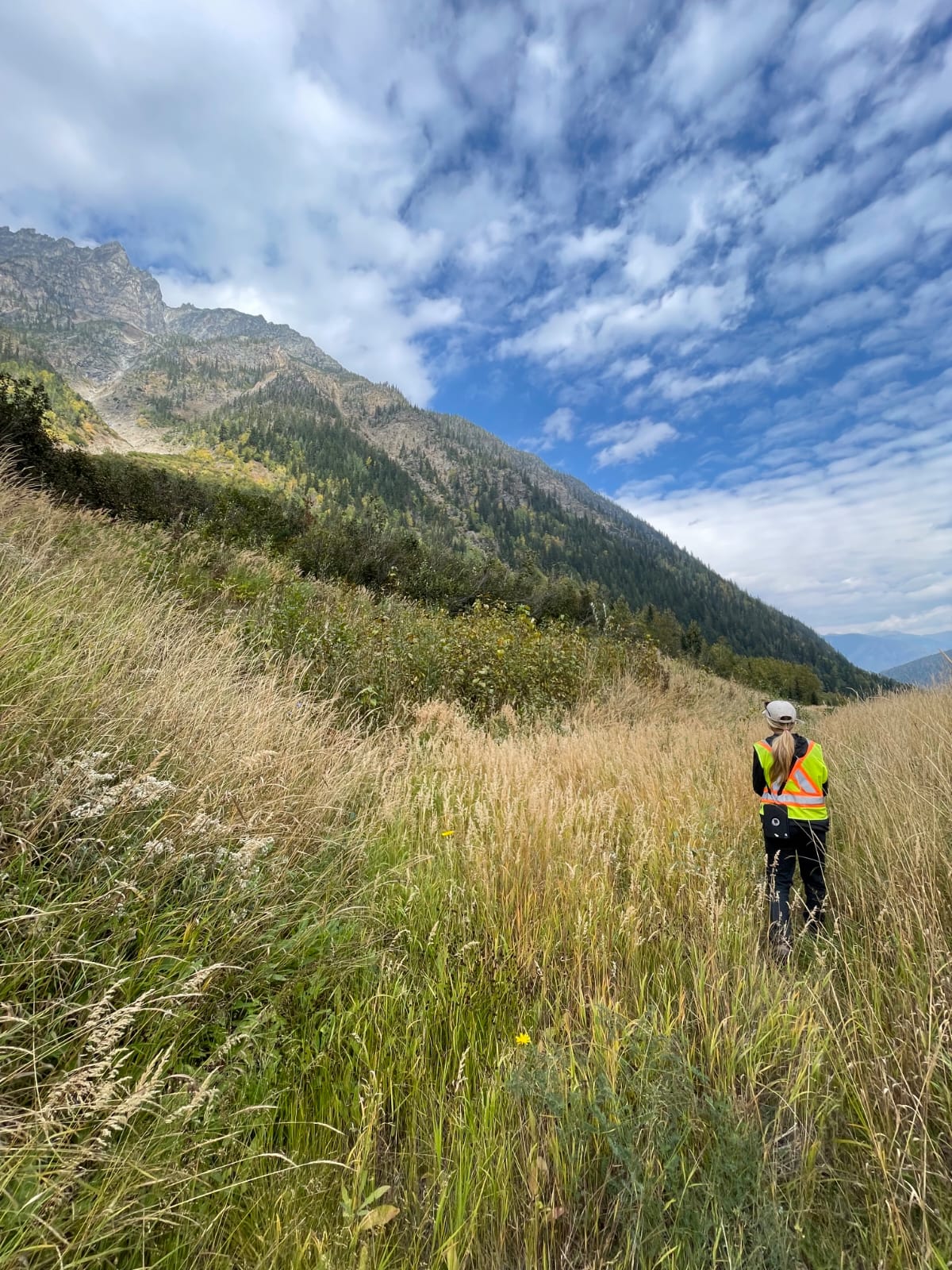
- CSISS staff conducting invasive plant inventories
-
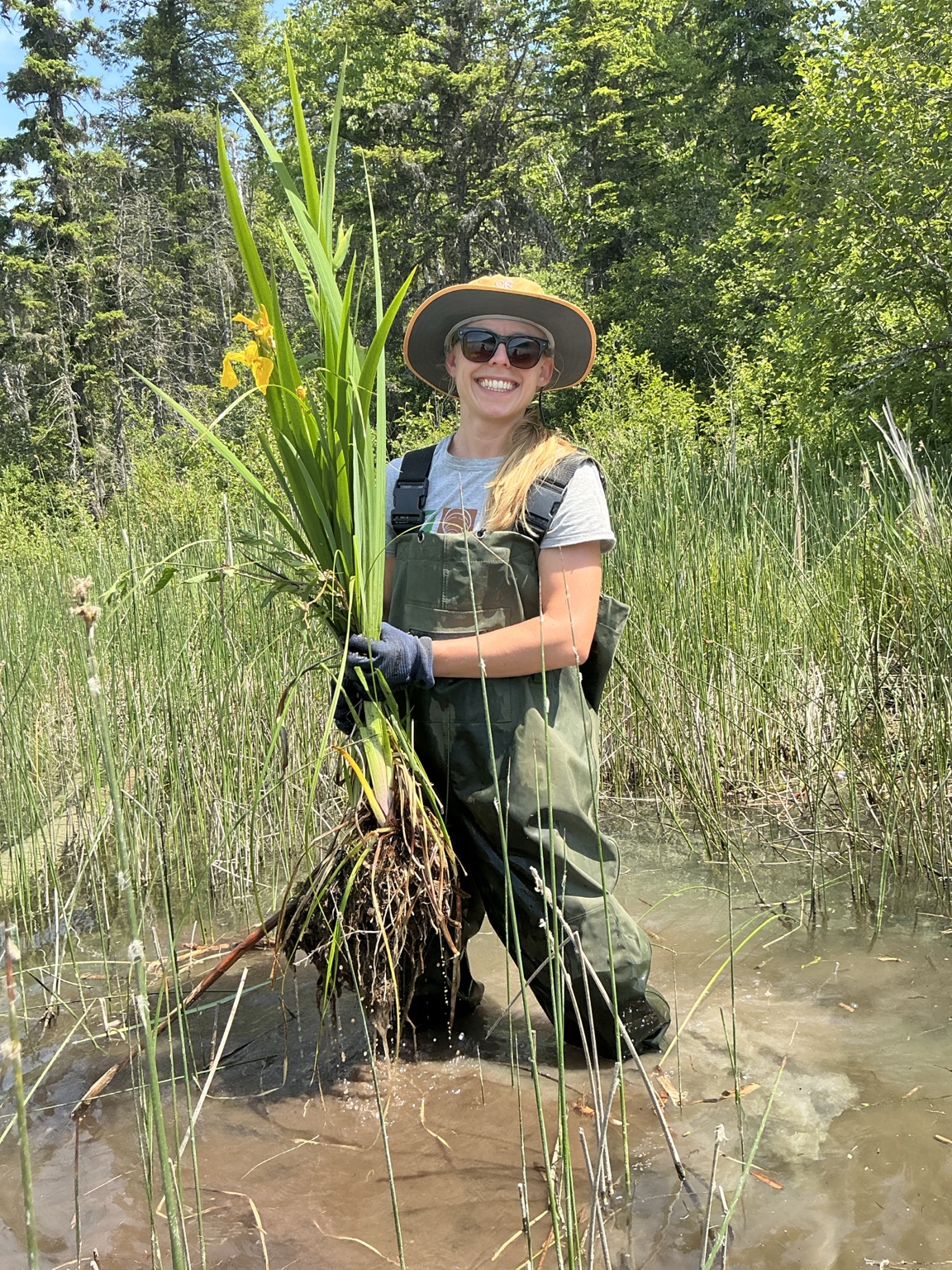
- Mechanical treatment of Yellow Flag Iris
-
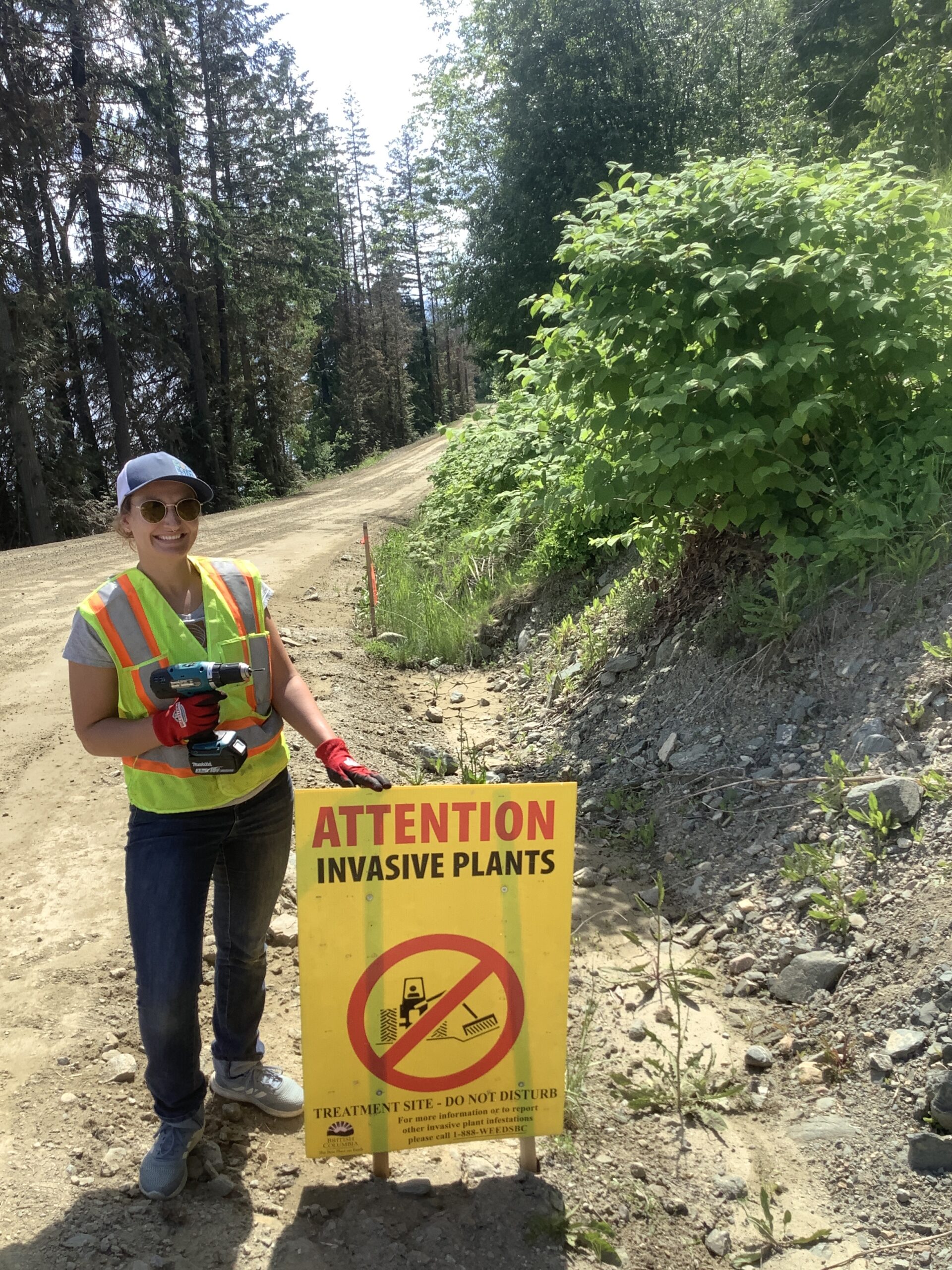
- Installing Do Not Mow Signs to prevent the spread of Knotweed
Aquatic Field Program
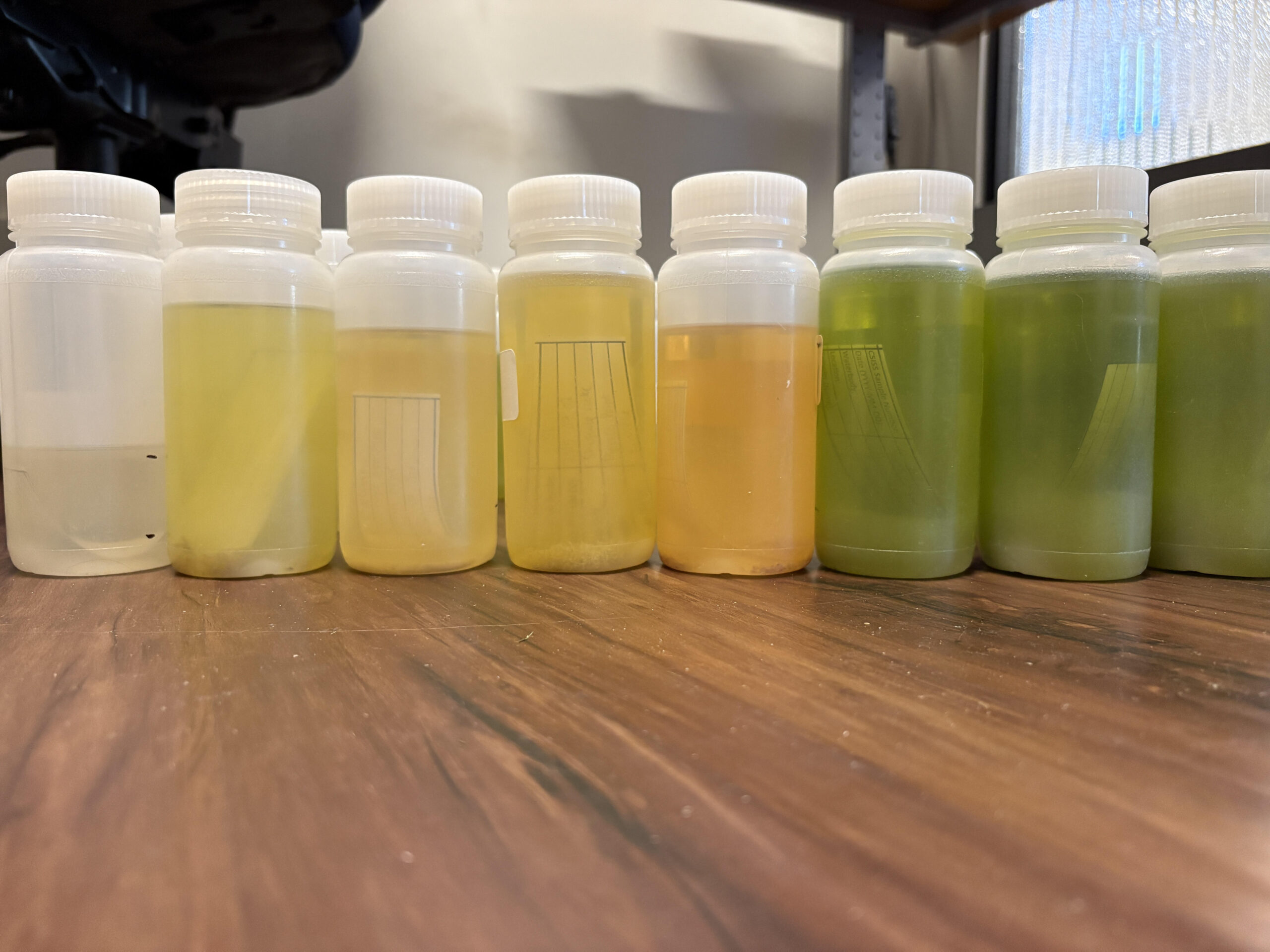
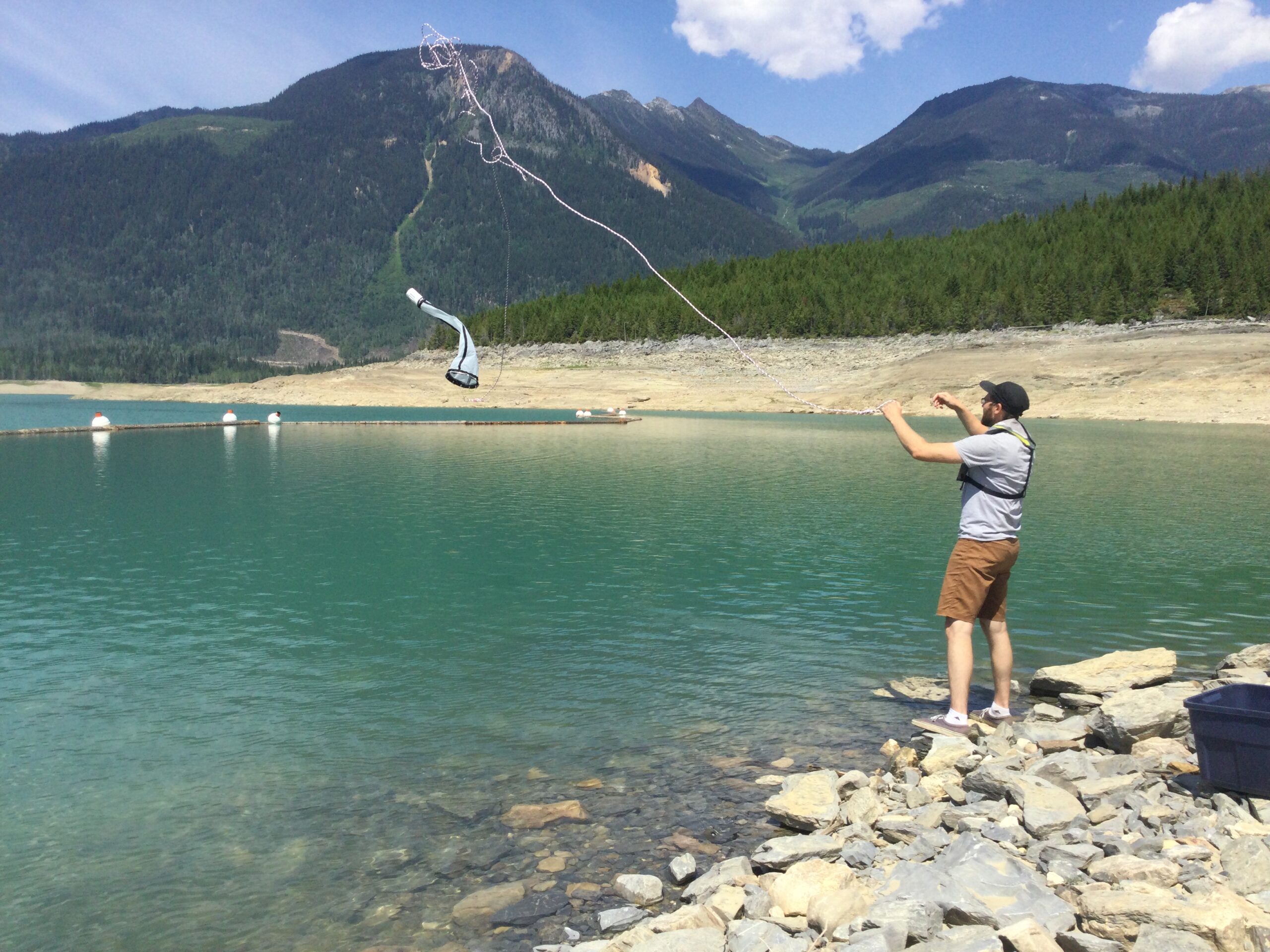
The aquatic field program is focused around early detection monitoring for invasive freshwater zebra, quagga and golden mussels in high priority waterbodies across the CSRD. From May to October, CSISS staff complete sampling using plankton tow nets, deploy substrate samplers, and preserve and ship samples to the designated lab. Invasive mussel sampling follows the Provincial Invasive Mussel Field Protocol.
Zebra, Quagga and Golden mussels are not currently found in BC but pose a significant risk to the environment, economy and social welfare. Both species reproduce rapidly and attach to surfaces using byssal threads, forming dense colonies that can clog waterpipes, damage watercraft, and negatively impact fish populations and aquatic ecosystems causing millions of dollars in environmental and economic damage annually.
CSISS also responds to reports of other non-plant aquatic invasive species within the CSRD in collaboration with Provincial aquatic invasive species specialists. CSISS is also a founding and continuing member of the Columbia Basin Aquatic Invasive Species Steering Committee , which helps to coordinate aquatic invasive species management activities across the Columbia Basin.
-
- Invasive Mussel Sampling
-
- Preserved plankton samples for analysis